Author: exoplanetkyo

WASP-76b

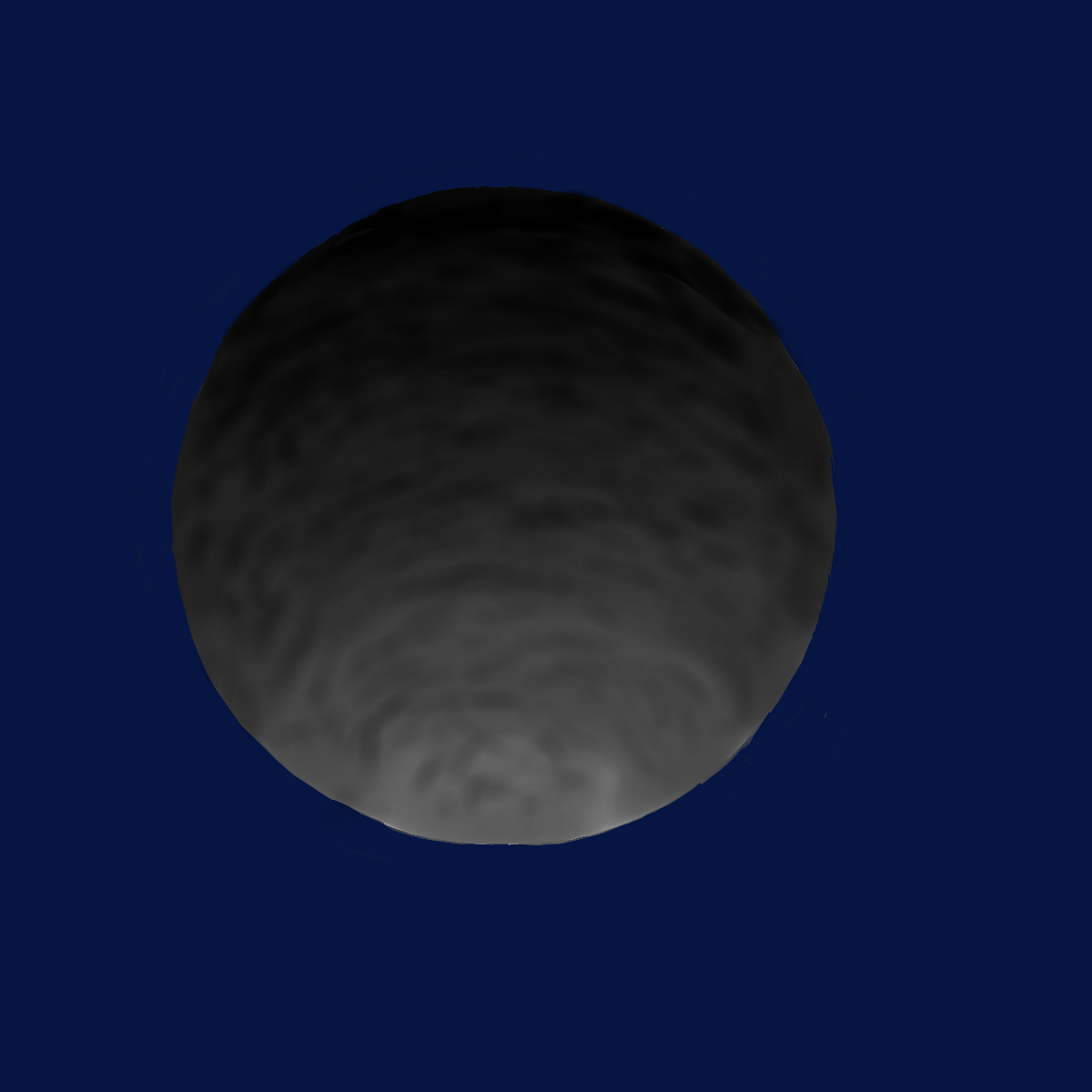
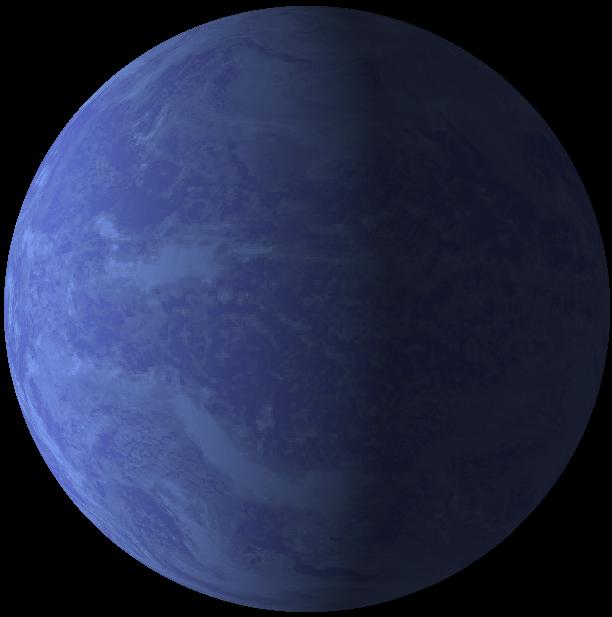
WASP-76b is an exoplanet that revolves around the star WASP-76 about 640 light years away in the Pisces constellation.

The star WASP-76 has an apparent magnitude of 9.5, an absolute magnitude of 4.1, and is a spectral F7 type star with a surface temperature of 6250K.

The star has a mass about 1.5 times that of the sun and a radius about 1.7 times that of the sun.

WASP-76b is the only planet orbiting WASP-76 and it is classified as a hot jupiter.

The exoplanet was discovered by the transit method in 2013.

Its mass is about 0.92 times that of Jupiter, but the powerful radiation from the main star expands the atmosphere and the radius is about 1.83 times that of Jupiter, making it a low-density planet.

The largest radius of its orbit is about 0.033 AU (5 million km) and its orbit lasts around 1.8 days.

Its temperature is 2700K on the day-side and 1800K on the night-side; it is tidally locked. 

In 2020, observations at the Paranal Observatory with the Very Large Telescope (VLT) revealed that the day-side atmosphere was rich in iron vapor.

A strong wind blows on the surface because the temperature difference between the day-side and the night-side is close to 1000K. The wind and the rotation carry iron vapor from the day-side to the night-side, which causes cooling. It is thought that this causes condensation, which becomes rain. 

(References)

toi-1338b

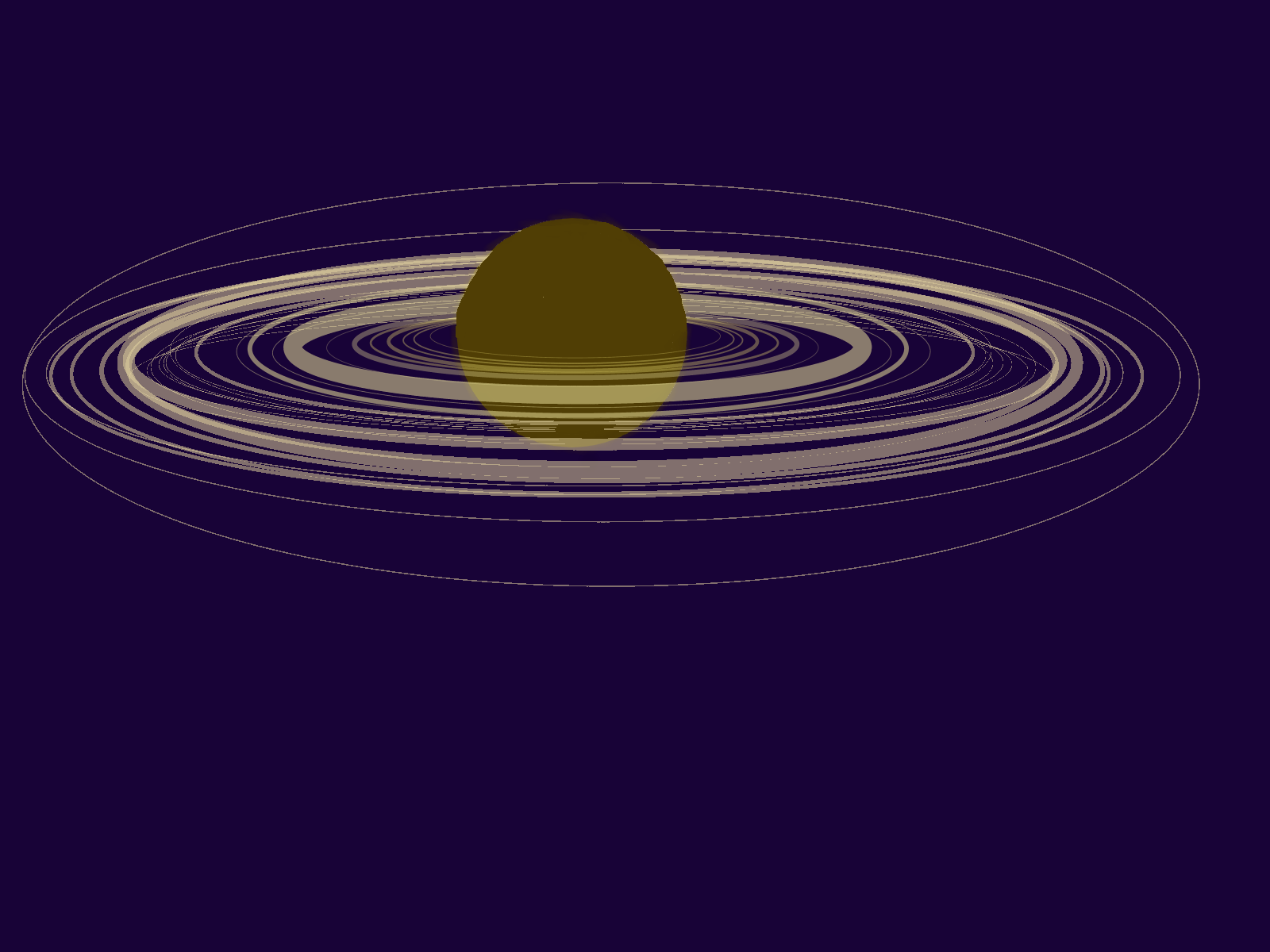
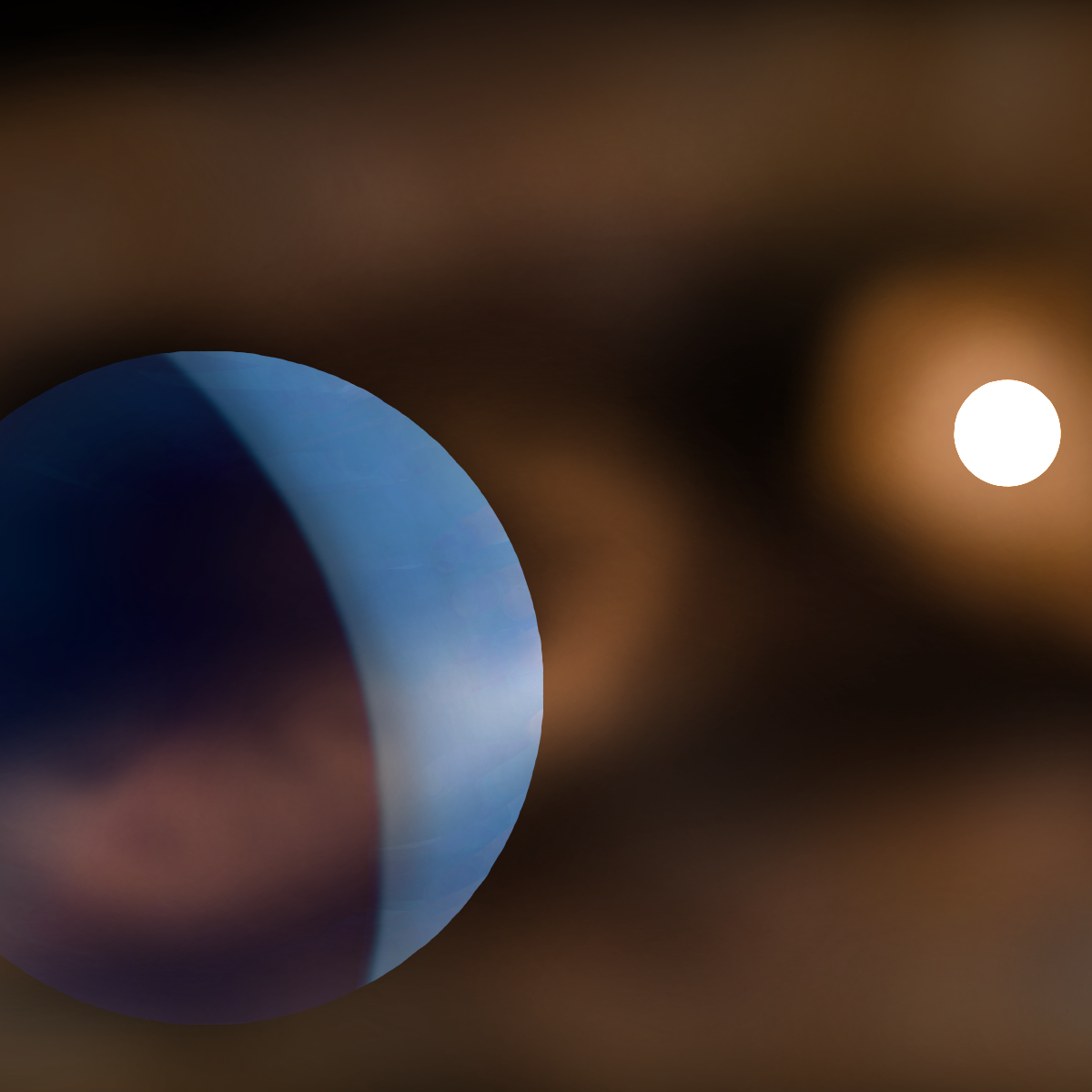
TOI-1338b is a binary planet, orbiting around the binary star system TOI-1338. It was discovered by a high school student doing a NASA internship program.

TOI-1338 is a binary star located in the Pictor constellation, about 1300 light-years away from Earth. The main star has a mass of about 1.1 times that of our sun, while the companion star has a mass about ⅓ of the sun. It takes about 15 days for them to orbit around each other. The main star has a radius about three times that of the sun, and a surface temperature of 5723 K, which is similar to the sun. It is a spectral G4 type star, with an apparent magnitude of 11.5, and an absolute magnitude of 3.5. The name, TOI, is an acronym for “TESS Object of Interest” which refers to the stars and planets discovered by the exoplanet exploration satellite TESS. With the discovery of TOI-1338b, TOI-1338 became the first binary star that has a binary planet discovered by TESS.

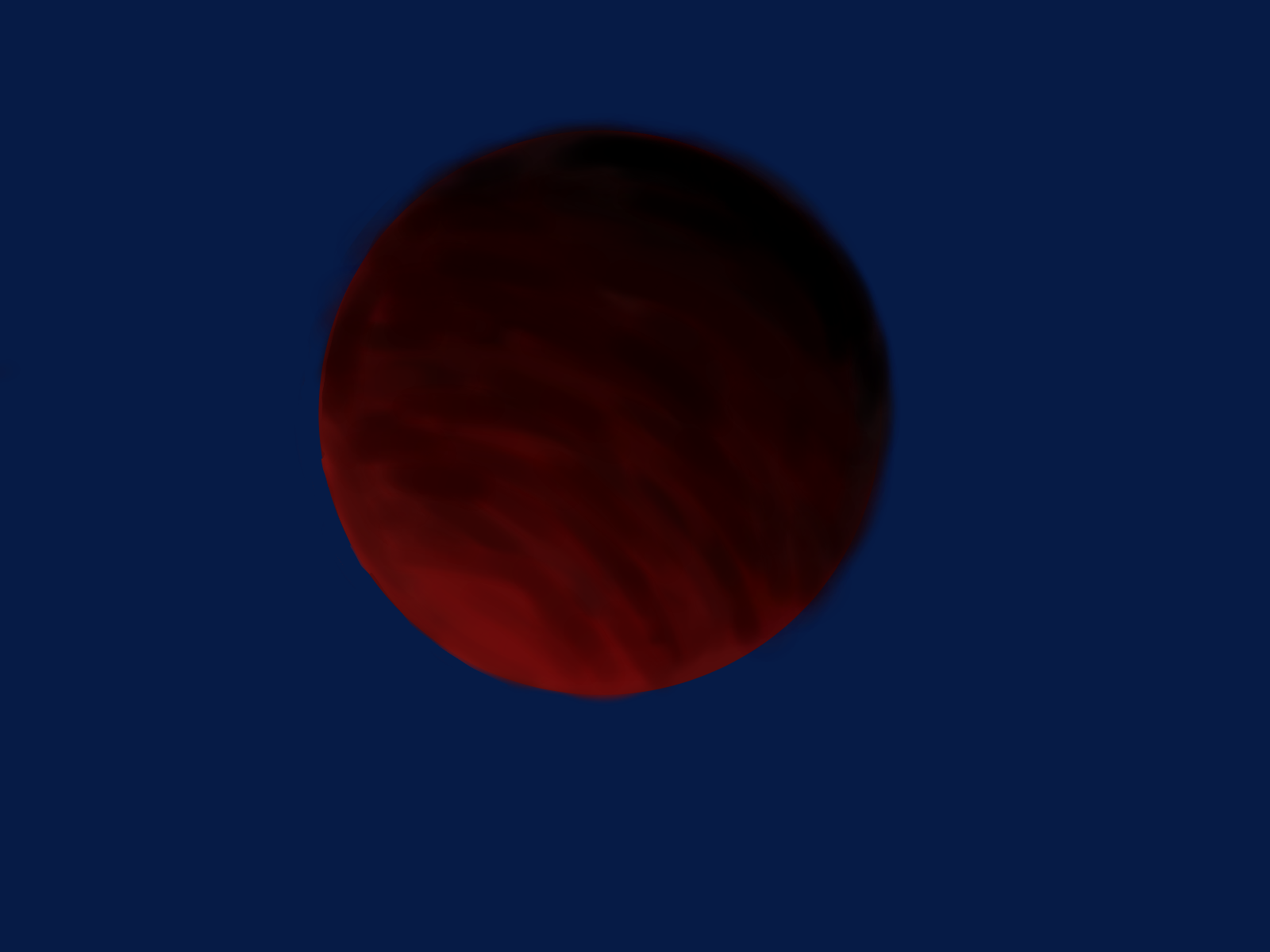
TOI-1338b is a unique planet that has a mass about 7 times that of the Earth, and was discovered by the transit method in 2020. Because the star is binary, the transit cycle is irregular at about 93-95 days. Since the orbit almost coincides with the orbit of the binary star, the planet always has a solar eclipse. According to ExoKyoto’s spectrum module, the light on the planet is 44.51% visible light, 47.80% infrared, and 7.66% ultraviolet.

TOI-700 d

TOI-700 is a red dwarf located in the Dorado constellation, about 101 light-years from Earth. Its surface temperature is 3480K, it is a spectral H2V type star, and its mass and radius are roughly four times that of our sun. The name of the star, TOI, stands for Tess Objects of Interest and refers to a catalog of celestial bodies that have shown the existence of orbiting planets using the TESS exoplanet search satellite. Objects listed in the TOI catalog are also observed with methods other than the transit method, such as Doppler spectroscopy and direct imaging. TOI-700 has also been referred to as Gaia DR2 5284517766615492736 because it was observed by the Space Telescope Gaiain 2013, launched by the ESA.

TOI-700 was observed with the transit method, and three planets were discovered orbiting around it. TOI-700d, which is the furthest of the planets at 0.16 AU, is a rocky planet 1.2 times the size of Earth, it is also likely to be within the area where water can exist in a liquid state (habitable zone). TESS has discovered a number of exoplanets since its launch in 2018, but this is the first Earth-sized planet to be found in the habitable zone.

According to the ExoKyoto Spectral Module, TOI-700d receives an estimated 85.72% of infrared light from its star, 13.97% is visible, and 0.30% is ultraviolet.

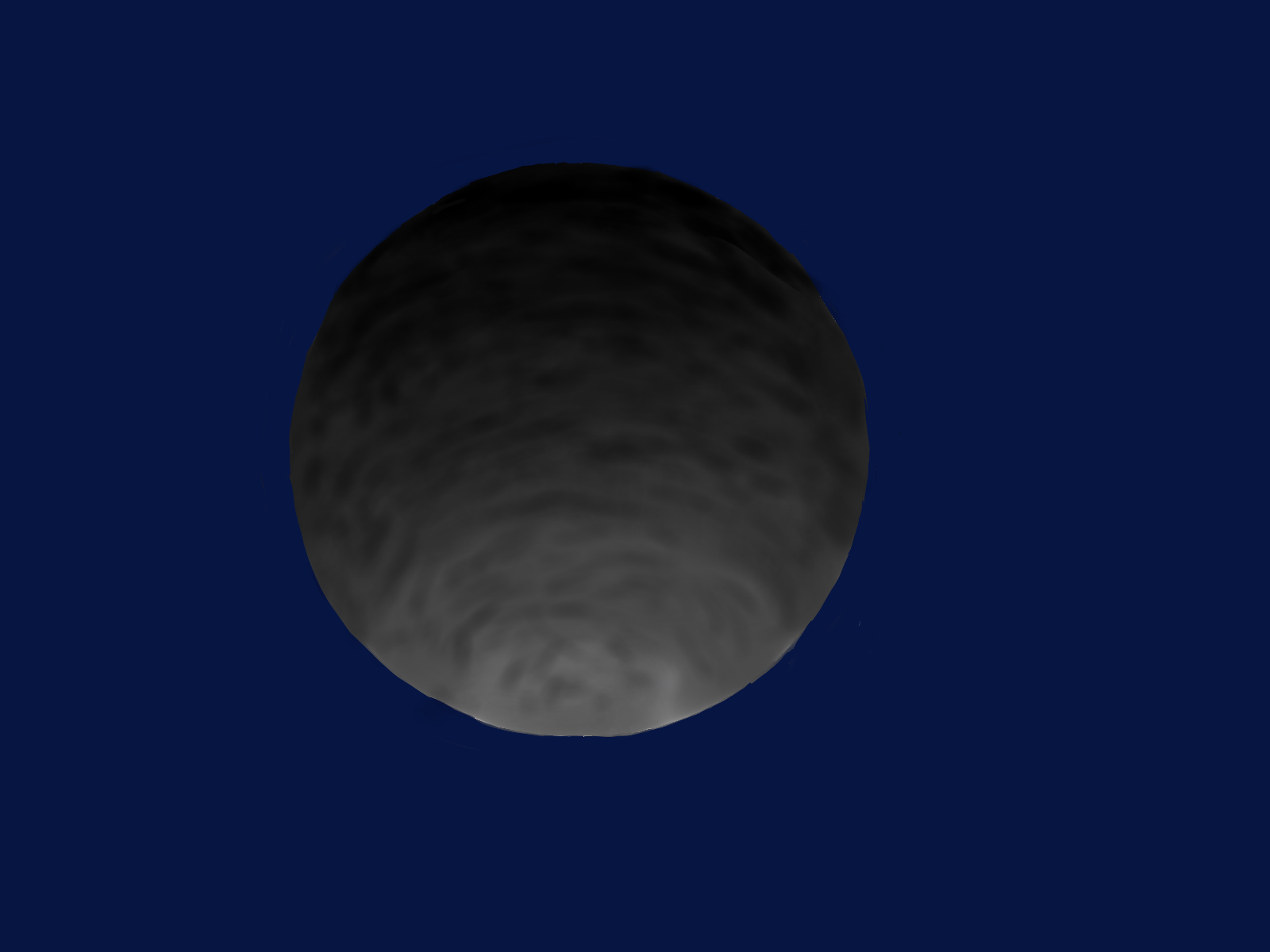
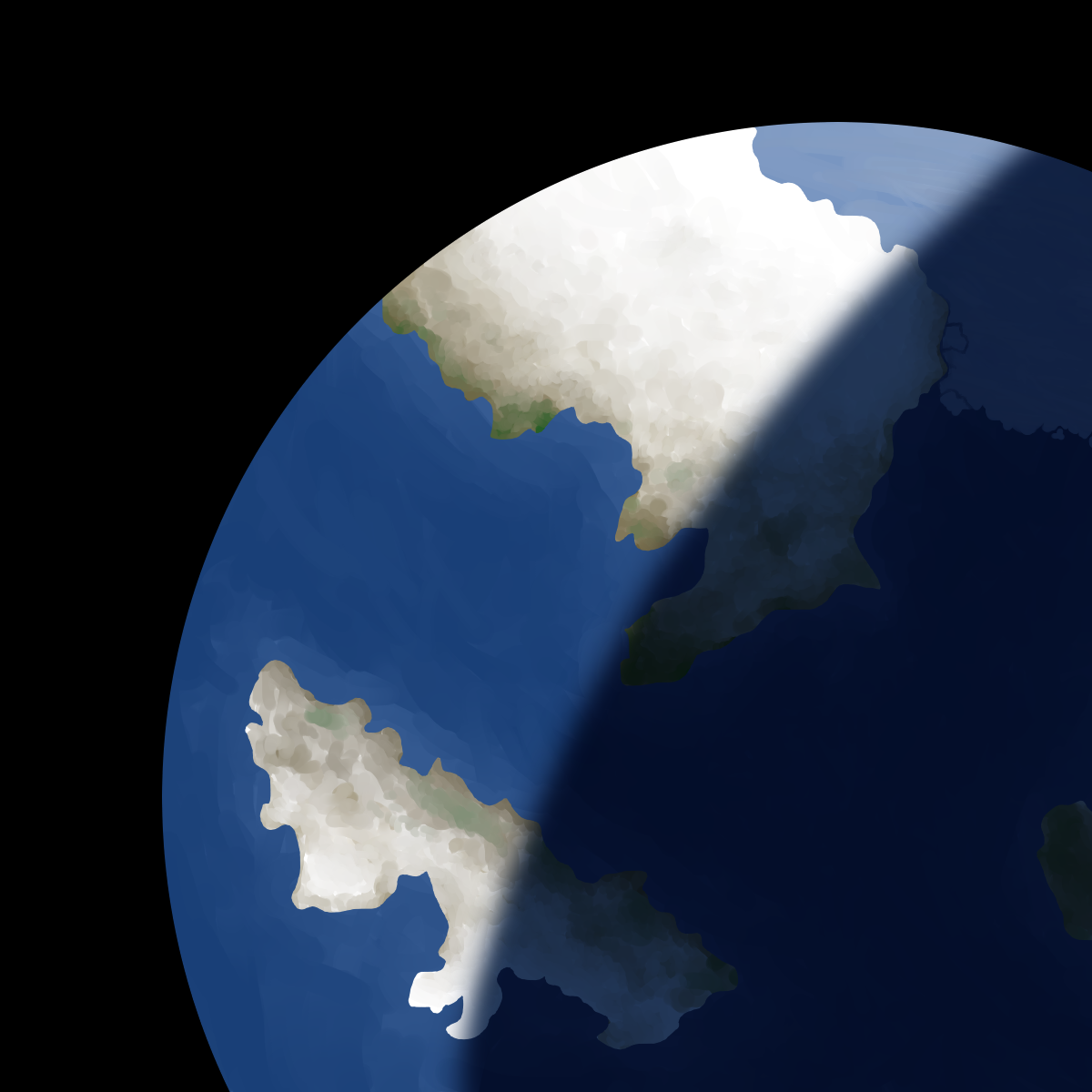
TOI-700d has a radius of about 1.19 that of the Earth, and its mass has not been measured yet, but it is estimated to be around 2.26 Earth’s mass using ExoKyoto’s mass estimation module. Its orbit is just outside the runaway greenhouse limit of Kopparapu et al. 2013 at 37 days. The planet could be tidally locked and it is possible that one side could be covered in plants.

For more information, visit our database page

http://www.exoplanetkyoto.org/exohtml/TOI-700_d.html

K2-18b

(Image credit: ESA/Hubble, M. Kornmesser)

K2-18 b was discovered in 2015 orbiting around its host star K2-18. The star is an M-type dwarf and it is located about 110 light years from Earth. 

The exoplanet K2-18 b, located in the habitable zone, has a mass about 9 times that of Earth, which means it’s either an icy giant like Neptune or a rocky world with a thick, hydrogen-rich atmosphere. It is also very close to its host star, so it orbits at around 0.1429 AU and it takes 32.9 days to complete one orbit. 

Although it orbits close to the star, the exoplanet is still in the habitable zone, which means it can support liquid water on its surface. In fact, in September of 2019, researchers published two independent studies showing that there is a possibility of water vapor on K2-18 b. This was discovered by observations made with the Hubble Space Telescope. Some early models predict that K2-18b’s effective temperature falls somewhere between -100 and 116 degrees Fahrenheit, and if it is about as reflective as Earth, its equilibrium temperature would be roughly the same as our home planet.

“This is the only planet right now that we know outside the solar system that has the correct temperature to support water, it has an atmosphere, and it has water in it—making this planet the best candidate for habitability that we know right now,” University College London astronomer Angelos Tsiaras, a coauthor of one of the two studies, said during a press conference.

 Image via Alex Boersma/iREx.

This is the first time that water vapor has been identified in the atmosphere of a non-gas-giant exoplanet in the habitable zone of its star, but soon after the announcement, many planetary scientists critiqued how the discovery was covered in the media.

In fact, just a few days later, Scientific American posted a harsh critique of the media coverage, claiming that K2-18 b is not at all habitable:

“The crux of the issue is the size of the planet. K2-18b is about 2.7 times the size of Earth—so large that the planet must have a massive, extended atmosphere, with a significant fraction of light hydrogen gas. An atmosphere like this makes K2-18b much more akin to Neptune than it is to Earth.

In a hydrogen-rich atmosphere, the temperature and pressure increase the deeper you go. By the time the rocky core is reached, the pressure is expected to be thousands of times higher than the surface of Earth, and the temperature can approach 5,000 degrees Fahrenheit.

These conditions are bad news for the formation of complex molecules, such as DNA, which aren’t stable at high temperatures and pressures. Even if we’re very open-minded about the conditions required for life to evolve, there’s broad consensus that complex molecules of some kind are necessary, to ensure that enough information is provided for replication to occur. Complex molecules cannot form on the deep surface of K2-18b.”

Although the planet may not habitable, it is still a huge discovery with great implications of finding more exoplanets that can hold water. The search for another habitable world outside of our solar system, or life on another planet goes on. 

https://www.nationalgeographic.com/science/2019/09/first-water-found-in-habitable-exoplanets-atmosphere-hubble-kepler-k2-18b/
https://blogs.scientificamerican.com/observations/no-the-exoplanet-k2-18b-is-not-habitable/
https://www.space.com/alien-planet-k2-18b-water-vapor-not-earth-twin.html
https://exoplanets.nasa.gov/exoplanet-catalog/4847/k2-18-b/

Radiation Exoplanet


Kepler-283 cにおける1年に1度発生しうる中心星のスーパーフレア・CMEによって引き起こされる惑星大気(N2+O2を仮定)での空気シャワーによる被ばく量推定


Proxima Centauri bにおける1年に1度発生しうる中心星のスーパーフレア・CMEによって引き起こされる惑星大気(N2+O2を仮定)での空気シャワーによる被ばく量推定
Ross-128 bにおける1年に1度発生しうる中心星のスーパーフレア・CMEによって引き起こされる惑星大気(N2+O2を仮定)での空気シャワーによる被ばく量推定
TRAPPIST-1eにおける1年に1度発生しうる中心星のスーパーフレア・CMEによって引き起こされる惑星大気(N2+O2を仮定)での空気シャワーによる被ばく量推定

Teegarden b, c

Imaginary picture of tidally locked Teegarden c
Imaginary Picture, Miu Shimizu

An international team led by the University of Göttingen (Germany) with participation by researchers from the Instituto de Astrofísica de Canarias (IAC) have discovered, using the CARMENES high-resolution spectrograph at the Calar Alto Observatory (Almería), two new Earth-like planets around one of the closest stars within our galactic neighborhood.

The Teegarden star is only 12.5 light-years away. It is a red dwarf in the direction of the constellation of Aries. Its surface temperature is 2,700 degrees C, and its mass is only one-tenth that of the sun. Even though it is so near, its faintness impeded its discovery until 2003. Two planets have been discovered orbiting the ultra-cool M dwarf that are thought to be temperate, rocky planets. They have orbital periods of 4.9 and 11.4 days, and both planets are likely to be within the Habitable Zone as well as tidally locked. If they’re confirmed, both of the newly spotted worlds are nearly identical to Earth in mass, and both planets are in orbits that could allow liquid water to trickle and puddle on their surfaces. This surface liquid water that is thought to be present on both planets, makes for a wide range of atmospheric properties, which makes them attractive targets for bio-signature searches. They are among the most Earth-like exoplanets yet discovered.

References:

https://phys.org/news/2019-06-earth-like-exoplanets-red-dwarf-teegarden.html
http://www.mpia.de/news/science/2019-04-teegarden
http://phl.upr.edu/press-releases/teegarden
https://www.nationalgeographic.com/science/2019/06/two-potentially-life-friendly-planets-found-12-light-years-away-teegardens-star/
http://exoplanet.eu/catalog/teegarden’s_c/

https://arxiv.org/abs/1906.07704