Proxima Centauri d
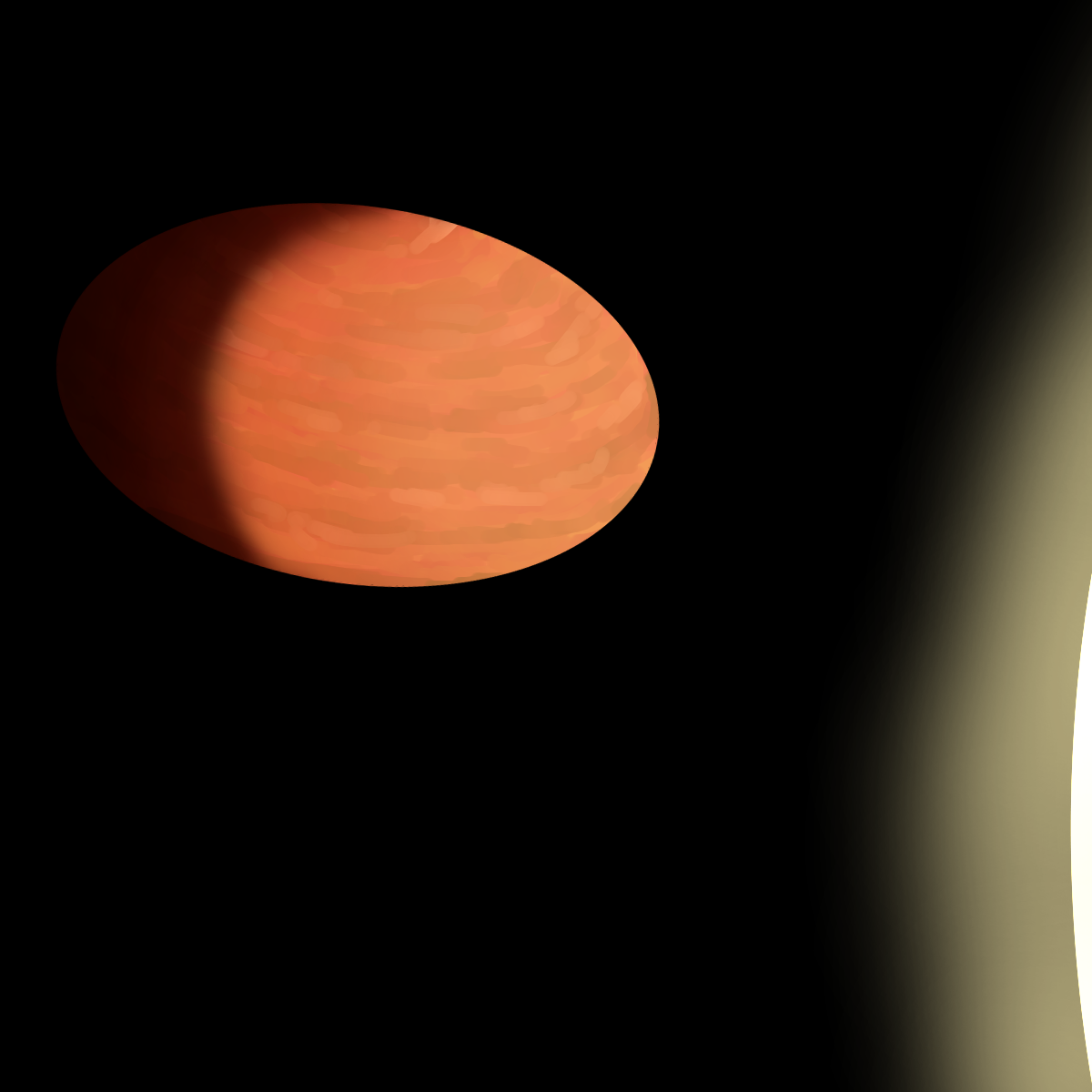
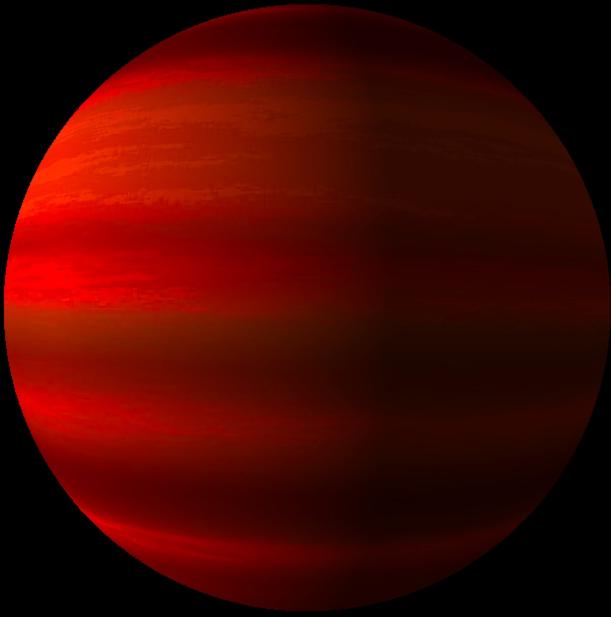
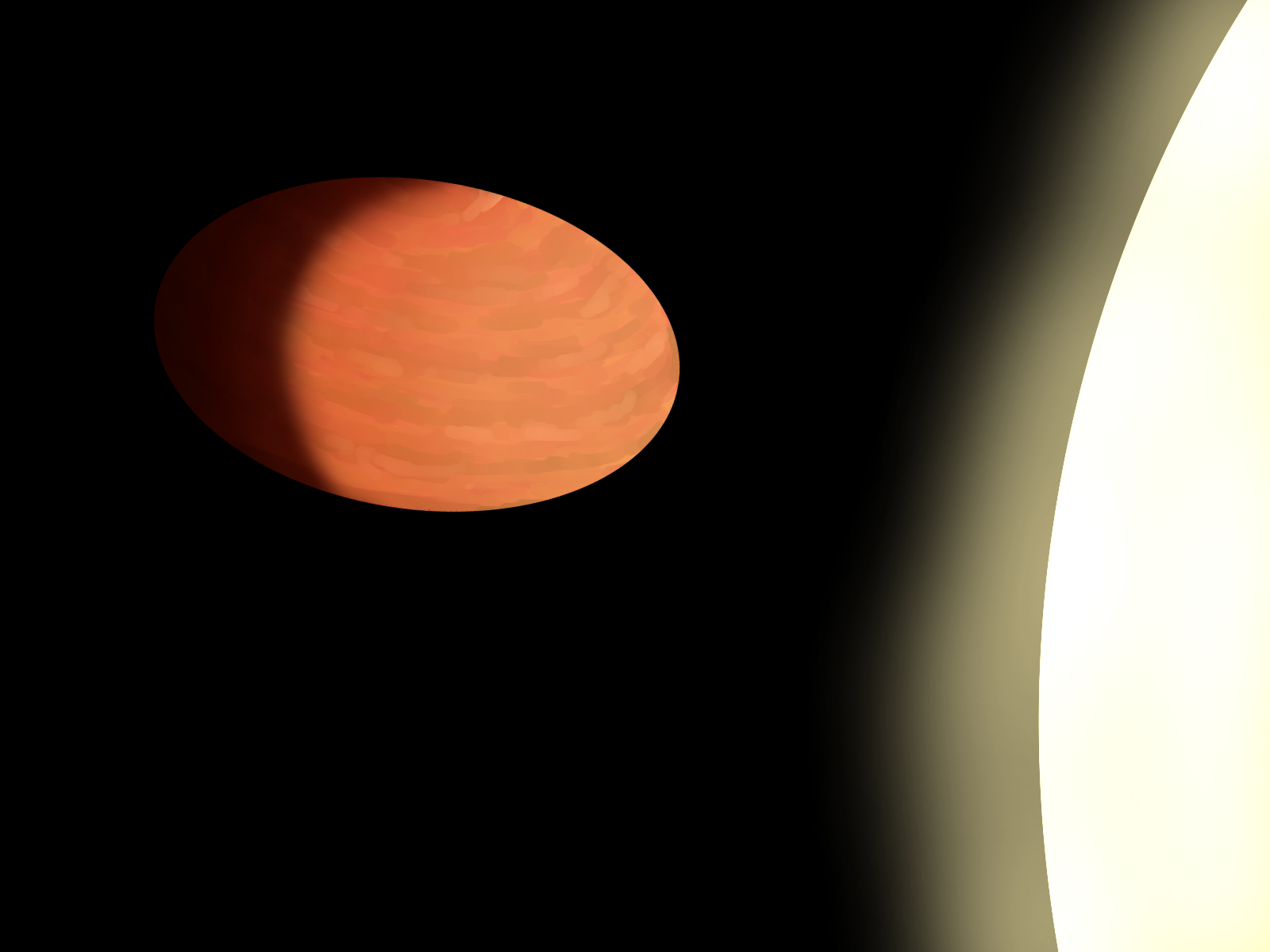
Proxima Centauri d is an exoplanet orbiting the star Proxima Centauri, located 4.2 light-years from our solar system.
The host star Proxima Centauri has an apparent magnitude of 11.1 and an absolute magnitude of 15.6.
It is a spectral type M5.5V star with about 0.1 times the mass of our sun and 0.1 times the radius, and the surface temperature is thought to reach 3050 degrees.
The exoplanet Proxima Centauri d orbits in about 5.2 days with an orbital radius of 0.03 astronomical units (4315898.6 km).
Proxima Centauri is about 4.2 light years away from the Earth and is considered the closest star to the Sun. The exoplanet that orbits it, Proxima Centauri d has a short orbital period of around 5.17 days. Proxima Centauri d orbits close to its host star. Hence, its blackbody temperature (assuming an albedo of 0.3) is calculated to be about 297 K. This is a temperature at which liquid water can exist. It is due to the low temperature of the host star, which is an M-type star. This means the exoplanet is located within the habitable zone.
The European Southern Observatory officially reported the discovery of Proxima Centauri d in February 2022. Previously, two other planets were confirmed to orbit Proxima Centauri, but although the star system has attracted attention, the discovery of this planet had not yet been reported. The radial velocity method was used to observe the planet (also called Doppler spectroscopy), which obtains information about the planet by observing the slight flicker of the host star during the planet’s orbit, which is affected by the planet’s mass. However, Proxima Centauri d’s mass is only about a quarter of the Earth, so its effect on the star is small. According to the observatory, the radial velocity of Proxima Centauri d was only about 40 cm per second. This observation required extreme precision, and took two years from the first detection of the planet’s existence to the time its discovery was reported.
The discovery of such a small planet is important because it could lead to the discovery of many more minor habitable planets that have not been discovered yet.